Imagine the sharp sound of packing tape and heavy footsteps of movers echoing through a hollow room. For a cat, this isn’t just a busy day; it’s a collapse of their safe world. We understand the fear that they might slip out an open door or become overwhelmed by the noise. It’s a delicate transition. It requires more than a carrier.
Arranging professional cat boarding while moving house offers a sanctuary of stillness during the relocation storm. It’s a choice that prioritizes their emotional peace. By choosing a specialized environment, you ensure your pet remains safe while you manage the logistics. This guide explores how a boutique cat-only hotel turns a chaotic move into a seamless transition. We’ll show you how to protect your cat’s routine and ensure they settle in with confidence.
The Hidden Stress of Moving House: Why Your Cat Struggles
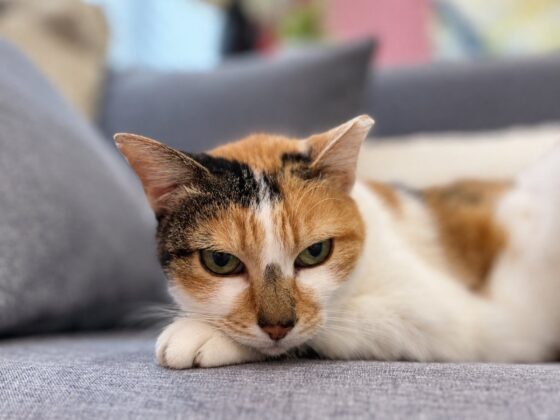
Cats are deeply territorial. Their world is defined by scent markers and familiar vertical paths. When you begin packing, you aren’t just moving objects. You’re erasing their sense of security. This often leads to feline displacement anxiety. It’s a profound emotional response to a changing environment. Your cat may hide, stop eating, or become uncharacteristically vocal. They see their safe haven disappear into cardboard boxes.
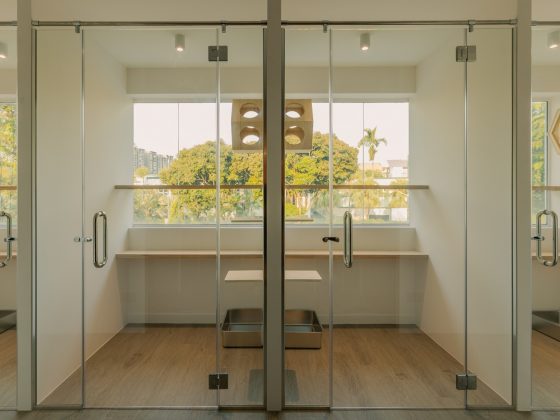
Arranging cat boarding while moving house provides a necessary break from this turmoil. A house full of boxes is a sensory minefield. In contrast, a curated environment like our Serenity Suites offers immediate stillness. It replaces the scent of dust and tape with a neutral, calming atmosphere. Most importantly, it removes the risk of a moving day escape. With movers leaving doors open, a frightened cat can easily slip away into an unfamiliar neighborhood. Professional cat boarding while moving house keeps them safe while you focus on the keys.
Sensory Overload: Movers, Noise, and Disrupted Routines
The sounds of a move are aggressive to feline ears. Heavy footsteps and the screech of packing tape trigger a constant flight or fight response. Strangers entering the home further violate their territory. During the chaos, feeding and play schedules often slip. This creates deep psychological stress. While hiding under a bed seems like a solution, it’s a state of high alert. A dedicated suite provides the predictable rhythm they crave. It offers a sanctuary where their emotional well being remains the central focus.
Benefits of Professional Boarding During Your Transition
Professional cat boarding while moving house serves as a tactical sanctuary. It removes your pet from the epicentre of the move. While home sitters offer visits, they cannot control the environment of a house in transition. A boutique hotel provides a static, secure space where the door stays closed and the schedule remains fixed. This allows you to navigate the heavy lifting with a clear mind. You won’t need to double-check every exit or worry about a bowl of water being knocked over by a mover. Using our Private Pet Transport can further simplify your day. It ensures your cat arrives safely while you focus on the moving van. It’s about creating a “clean break” from the old home to the new one.
Our daily wellbeing checks ensure your cat stays healthy and hydrated. During a move, owners often miss subtle signs of stress. A dedicated host notices these nuances. They ensure regular play and feeding occur without fail, protecting your cat’s emotional health. This professional monitoring provides a safety net that a busy moving schedule simply cannot accommodate.
Why Feline-Only Boutique Hotels Offer Superior Peace of Mind
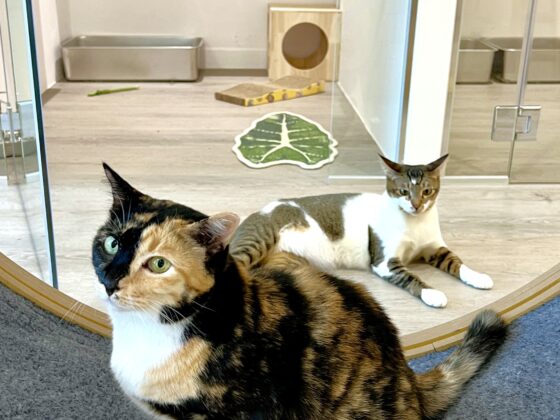
A serene environment is essential for low cortisol levels. We provide a strictly dog-free facility to ensure total quietude. Unlike communal cages, our private suites provide a personal retreat with vertical space. You can maintain a connection through our live CCTV access and daily photo updates. This transparency turns your guilt into peace of mind. When considering cat boarding while moving house, speak with our team about a stay.
Planning Your Move: A Timeline for a Stress-Free Stay
Successful cat boarding while moving house depends on a clear timeline. Precision is your ally. Two weeks before your move, verify all vaccinations are current. This is the ideal time to book your preferred suite type. We recommend checking your cat into the hotel one or two days before the movers arrive. This avoids the morning chaos of heavy lifting and open doors. It ensures your pet is already settled in a quiet space while your old home is dismantled.
On your first day in the new house, focus on the layout. Prepare a dedicated “safe room” with familiar items before fetching your cat. Utilizing our Private Pet Transport services can reduce your logistical load significantly. It allows you to stay on-site for furniture deliveries while your pet travels in climate-controlled comfort. This simple hand-off protects your cat from the visual stress of a half-unpacked home.
Seamless Transitions: From Packing Day to the New Territory
A professional pet taxi bridges the gap between environments with ease. To aid comfort, use “scent-soaking” techniques. Place familiar blankets in their carrier and suite to provide a sensory anchor. When reintegrating your cat, keep them in their safe room for several days. Gradually introduce them to the rest of the house. This slow approach ensures long-term confidence in their new territory. Choosing cat boarding while moving house creates the necessary pause for a successful start.
Creating a Calm Foundation for Your New Chapter
Moving home is a significant milestone. It shouldn’t be a source of trauma for your feline companion. By choosing professional cat boarding while moving house, you provide your pet with a curated sanctuary of stillness. You replace the noise of movers with a boutique, feline-only environment designed for peace. Our suites offer live CCTV access and daily report cards with photos and videos. These features ensure you stay connected to your cat’s well-being during the busiest days of your relocation. You can focus on the logistics of your new space while we protect their emotional security.
Secure a peaceful sanctuary for your cat—book a suite today
Your new home deserves a happy, settled cat. We’re here to help you start this next chapter with complete peace of mind.
Frequently Asked Questions
Is it better to board my cat or leave them in a room during the move?
It is generally better to board your cat than leave them in a room during a move. A house in transition is full of unpredictable noises and strangers that trigger deep anxiety. Professional cat boarding while moving house ensures your pet is in a secure, quiet environment. This eliminates the risk of them bolting through an open door while movers are working.
How long should a cat stay in boarding while I move house?
Most cats benefit from a stay of two to four nights. We suggest checking them in one day before the move begins and picking them up once you have established a safe room in your new home. This timeline allows the most chaotic phases of the relocation to pass. It ensures your cat returns to a space that feels stable and welcoming.
Will my cat feel abandoned if I board them during a move?
Your cat won’t feel abandoned in a boutique environment designed for their comfort. They prioritize safety and territory above all else. A serene, dog-free suite provides the emotional security they need during a transition. You can maintain your connection through our live CCTV access and daily report cards. These updates show you that your pet is calm and well-cared for while you move.
What should I pack for my cat’s boarding stay during a move?
You should pack enough of their regular food and items that carry familiar scents. We provide scratch pads, so you only need to bring a well-loved blanket. These scent-soaked items help them settle quickly during cat boarding while moving house. Don’t forget any medications. Our team can administer these to ensure your cat’s health routine remains completely uninterrupted during the transition.

Article by
Viola Chee
A finance professional who navigated real estate investments for two decades, Viola felt there was an opportunity to combine institutional practices into a space that is rooted in care – not only for cats but for the people who love and look after them too. This is Kitnap Cat Hotel.
Disclaimer: This article provides general information about cat care and boarding. Every cat is different, and advice should be adapted to your cat’s individual needs. For health-related concerns, please consult your veterinarian.