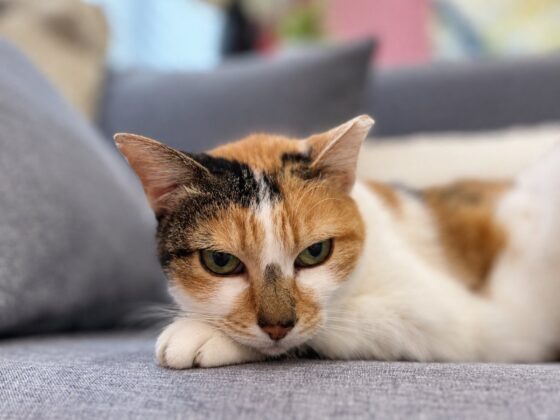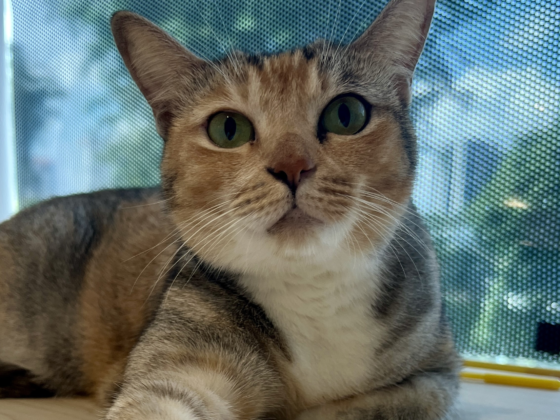
You bring your cat home from boarding, expecting it to express joy at being home, but your cat slips past you to hide under the sofa. It feels like a cold shoulder after a long week apart. You might worry that they’re angry or that the experience was too much for them. Rest assured; shifts in cat behavior after boarding are not about resentment. These changes are simply a part of re-establishing their territory and finding their routine again.
We know that feeling of uncertainty. It’s common to feel a pang of guilt when your feline friend seems distant or unusually vocal after a stay away. Your cat’s emotional security is the foundation of their well-being. This guide will help you understand why these shifts happen and how to support a peaceful transition. We’ll share actionable steps to calm an anxious cat and restore the serene atmosphere of your home. By the end, you’ll feel confident in your future boarding decisions, knowing exactly how to welcome your companion back with mindful care.
Decoding Your Cat’s Behavior After Boarding: What is Normal?
A peaceful return begins with understanding. For a feline, coming home is a profound sensory event. While you see a familiar living room, your cat sees a shifting landscape of scents and boundaries. Shifts in cat behavior after boarding are natural. They are not signs of a broken bond or a “grudge.” Instead, they reflect a transition period where your cat is processing their environment. Most cats need 24 to 72 hours to fully decompress. During this time, cortisol levels, which naturally rise during any change in routine, begin to return to a baseline of calm.
Distinguishing between a mood shift and medical distress is vital for your peace of mind. A cat who is slightly distant or quiet is usually just recalibrating. However, keep a watchful eye on their physical needs. If your cat refuses food for more than 24 hours, shows extreme lethargy, or has persistent digestive issues, consult a professional. Normal adjustment involves a cat who is alert and mobile, even if they’re acting a bit out of character.
Common Emotional Responses: From Clinginess to Hiding
Some cats become “Velcro cats” the moment they return. They seek constant physical contact to anchor themselves to your familiar presence. This is their way of seeking reassurance. Others become shadows. They might choose a quiet corner or a high shelf to observe from a distance. Hiding is a form of mindful self-regulation. It allows them to process the sounds of the household without the pressure of immediate interaction.
The Science of Scent and Territory Re-establishment
Your home’s scent profile changes quickly. Even a few days away can make the familiar air of a house feel slightly foreign to a sensitive nose. Cats use their environment as a map of security. Your cat will likely engage in facial rubbing against furniture to deposit pheromones and reclaim their space as a safe haven. At Kitnap Cat Hotel, we prioritize disinfected private suites to minimise scent-shock from other animals. This careful attention to the olfactory environment helps ensure that when they do return, their transition is as seamless and serene as possible.
Practical Steps for a Seamless Transition Back to Your Home
A peaceful homecoming is a deliberate process. It requires a gentle touch. To support stable cat behavior after boarding, you should delay any major social gatherings for a few days. Your home should feel like a sanctuary. A low-stimulus environment allows your cat to lower their guard at their own pace.
The First 24 Hours: A Protocol for Calm
The first day back is about autonomy. It’s about letting your cat choose their rhythm. Follow these steps to anchor their return:
- Step 1: Place the carrier in a quiet room and leave the door open. Let them exit voluntarily. Don’t rush the reunion.
- Step 2: Offer small, familiar meals. This encourages their appetite without overwhelming their digestive system.
- Step 3: Use synthetic pheromone diffusers. These scent markers signal that the territory is safe and secure.
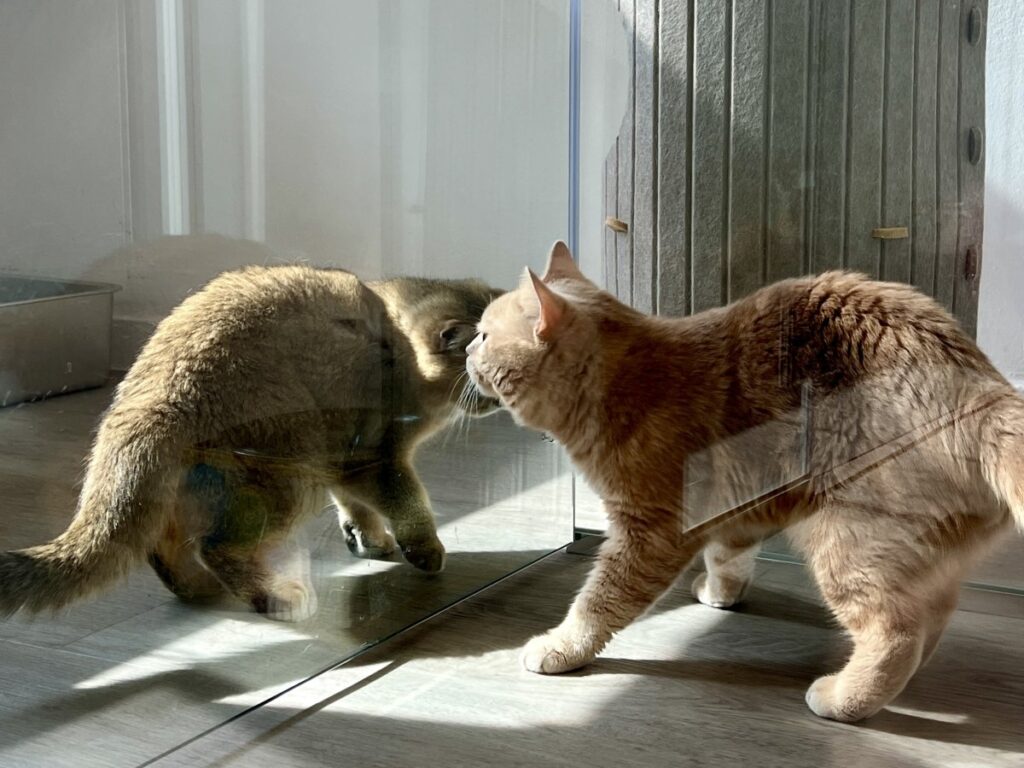
Scent is the language of feline security. Bring home any unwashed bedding used during their stay. This familiar scent helps bridge the gap between the hotel and your living room. You should also guide them back to their litter box and water stations. A quick “refresher tour” prevents accidents and reduces confusion. If you’re managing a multi-cat household, “non-recognition aggression” can happen when the returning cat smells like a different environment. Separate them temporarily if you notice tension. You can speak with our team for personalized advice on managing multi-cat dynamics.
Monitoring Health and Re-establishing Daily Routines
Structure provides comfort. Stick to a strict feeding schedule to anchor an anxious cat. Routine is a powerful tool for psychological well-being. Most shifts in cat behavior after boarding resolve within a 48-hour window. If your cat remains lethargic or refuses food after two days, it’s time to call the vet. A healthy return is a steady return.
How Thoughtful Boarding Design Minimizes Post-Stay Stress
Environment dictates outcome. A cat who spends their holiday in a high-stress environment will naturally bring that tension home. By choosing a cat-only environment, you eliminate this constant auditory threat. This choice directly impacts cat behavior after boarding.
Daily enrichment and playtime are equally essential. These activities maintain a cat’s confidence while they’re away from their usual territory. A cat who remains active and engaged is less likely to experience a “slump” when they get home. Our focus on individual attention ensures that every guest feels seen and valued. This proactive care makes the eventual homecoming much smoother and more predictable.
The Role of Private Suites in Reducing Transitional Anxiety
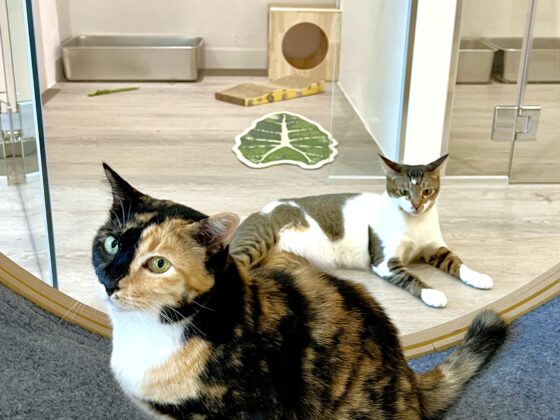
Personal territory is a psychological necessity. Unlike communal cages, private suites offer a defined sense of ownership. Our Urban Suites provide a sanctuary of light and peace, allowing cats to relax in a curated, home-like setting. For more timid companions, the Serenity Suites and Solo Cove offer a secure, intimate space that minimizes sensory overwhelm. These designs prioritize emotional security. When a cat feels safe during their stay, their confidence remains intact upon their return. It’s about maintaining a sense of dignity and calm.
Transparency and Peace of Mind for the Modern Owner
Clarity reduces anxiety for both you and your cat. We provide daily report cards with photos and videos to track behavior patterns before you even arrive for pick-up. You can observe their baseline through our 24/7 CCTV access. This transparency ensures there are no surprises regarding cat behavior after boarding. To see our mindful design firsthand, you can take a virtual tour of our facilities. A well-prepared owner is the best support for a cat’s homecoming. Understanding their experience allows you to welcome them back with quiet confidence.
Creating a Foundation for Future Harmony
A peaceful homecoming is the result of intentional choices. By recognizing that shifts in cat behavior after boarding are natural transitions rather than signs of distress, you can lead with empathy. Prioritize a low-stimulus environment during those first 24 hours. Let your cat dictate the pace of their return. This mindful approach ensures their emotional security remains intact and their confidence is restored.
Choosing the right environment makes a profound difference. At Kitnap Cat Hotel, we’ve curated a boutique, cat-only sanctuary that honors the feline need for tranquility. Our private suites and 24/7 CCTV access provide transparency and peace of mind for every owner. With daily enrichment and professional grooming, your cat remains engaged and cared for throughout their stay. You deserve the quiet authority that comes with a stress-free boarding experience.
We’re here to help you foster a lifestyle of serenity for both you and your companion. Trust in the process of a gentle, rhythmic reintegration. Your cat’s comfort is our highest calling.
Frequently Asked Questions
Why is my cat so clingy after boarding?
Clinginess is a request for connection. Your cat uses your presence as a secure anchor after a period of change. This behavior is a sign of affection and a desire for the comfort of your familiar touch. It’s a natural way for them to seek reassurance as they settle back into their home life. Allow them this closeness to help them feel grounded.
Will my cat remember me after a long boarding stay?
Your cat will absolutely remember you even after an extended stay away. Cats possess strong long-term memories for the caregivers who provide them with safety and love. Any initial distance isn’t a sign of forgetfulness. It’s simply a reaction to the sensory shift of moving between different environments. They’ll soon settle back into your familiar rhythm together.
How long does it take for a cat to act normal after boarding?
Most shifts in cat behavior after boarding resolve within 24 to 72 hours. This timeline allows their internal systems to return to a baseline of serenity. Providing a structured feeding schedule and a quiet home environment helps them find their confidence. Consistency is the most effective tool for helping them feel like themselves again. Patience is the key to a happy reunion.
Can boarding cause a permanent change in my cat’s personality?
Boarding won’t cause a permanent change in your cat’s personality. The behaviors you see after a stay are temporary responses to a shift in their territory and routine. Once they feel the familiar security of home, their true temperament will emerge once again. A high-quality boutique environment helps ensure they return home with their confidence and spirit intact.
Should I keep my cat in one room after bringing them home from a hotel?
Starting your cat in one quiet room is often a wise decision. This “home base” approach prevents them from feeling overstimulated by the entire house. It allows them to reclaim a small, manageable territory first. Once they appear relaxed and confident in that space, you can gradually open the rest of the home. This step-by-step process supports stable cat behavior after boarding.

Article by
Viola Chee
A finance professional who navigated real estate investments for two decades, Viola felt there was an opportunity to combine institutional practices into a space that is rooted in care – not only for cats but for the people who love and look after them too. This is Kitnap Cat Hotel.
Disclaimer: This article provides general information about cat care and boarding. Every cat is different, and advice should be adapted to your cat’s individual needs. For health-related concerns, please consult your veterinarian.